When to Use a PR Wire: Event, News, Through-Line
A PR wire amplifies news that already stands. Publish with an event and a through-line, and every release becomes a brand asset.
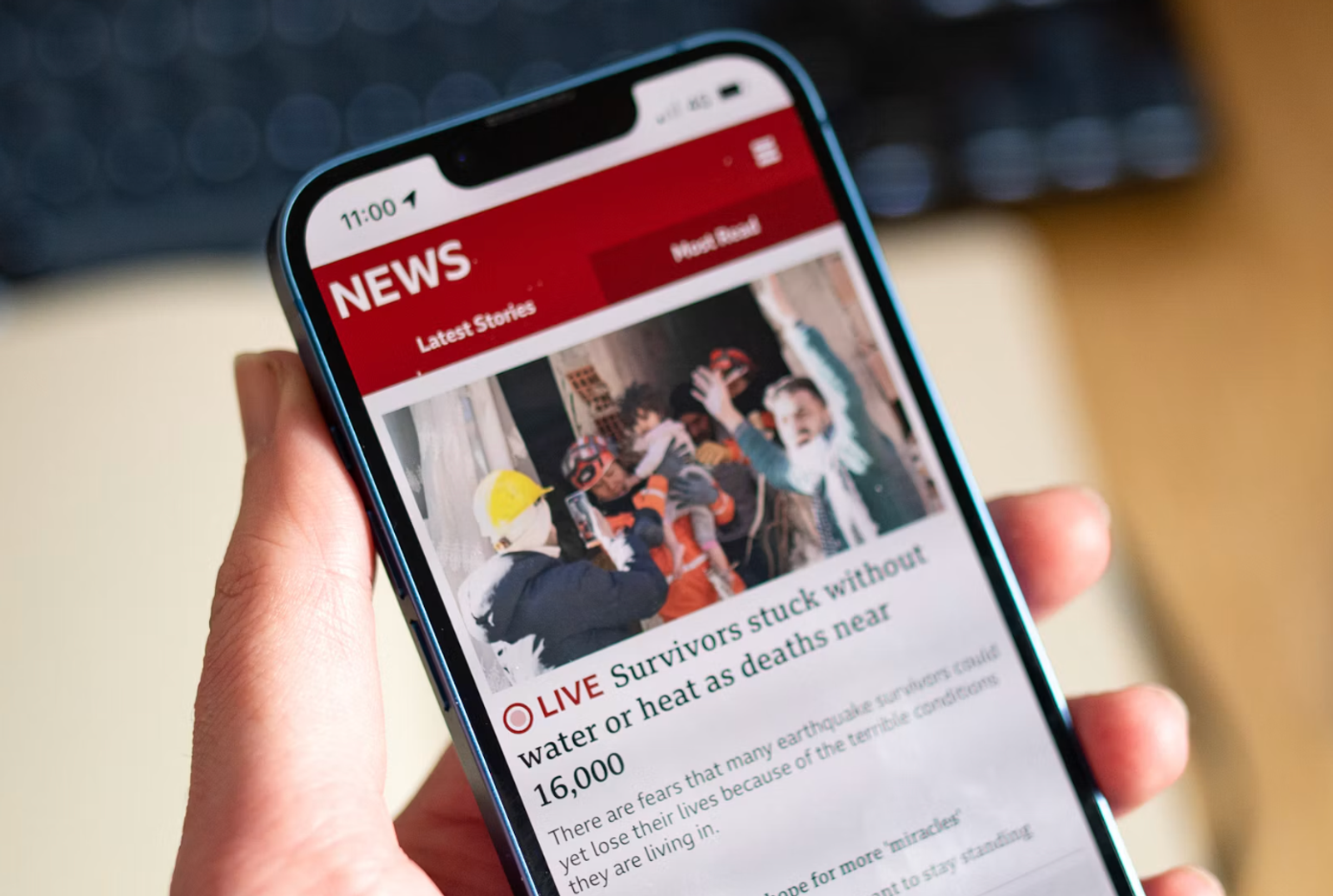
A PR wire works simply. You write one press release, and a distribution service pushes it to many news and information pages at once, so the same story appears in more places within a short window. The tool is neither good nor bad. What decides the outcome is a question that comes earlier: is this release worth sending out this way at all?
Our test fits in one sentence: Use a PR wire only when there is an event, there is news, and there is a through-line. Routine product notices don't qualify, and neither do product updates issued just to be seen.
A wire amplifies news that already stands
Distribution is amplification. It widens a release's reach but adds no weight to its content. If the release is news, amplification means more editors and readers see something that really happened. If it is a product brochure, amplification just puts the same brochure copy in more places.
So the event comes first, then the release. A new brand is founded, a major partnership is signed, a study or survey is completed, the company reaches a milestone worth recording, or takes a position that matters to its industry: these are events. An event carries its own date and its own answer to "why now," so an editor or reader can see at a glance what it has to do with them.
Two common borderline cases show how to weigh this by the standard of brand compounding. An asset is a release that keeps working after it goes out: still searched and cited a year later, with every piece given a clear brand job.
Consider two examples. A new location opening counts as an event. It isn't only the news of that day: when the second and third locations open, this release gets pulled back out and strung into the story of a brand that is growing. Each piece raises the floor for the next, and that is compounding. Now take a clinic buying new equipment, where it matters what the release stakes itself on. Staked on the machine, it is an expense: specifications age, and once a newer model arrives the release depreciates to zero. Staked on the change, it is an asset: patients now have another treatment option, or a test that used to require a referral can be done in-house. That fact is still true a year later, and it connects to the clinic's long-term through-line, say, "continued investment in precision diagnostics." A second and third release under the same through-line make every earlier one more credible. Machines depreciate; a through-line compounds.
Publicity for its own sake amplifies noise
The opposite case is just as common: a product gets new packaging, one more shade, a minor spec tweak, or a clinic adds a service or a piece of equipment, and a release goes out because "it's been a while since we made any noise." What these releases share is that, with the brand name removed, nothing in them is worth repeating.
The cost is more than budget. When a brand often sends releases with no event or through-line behind them, the outside impression slowly sets: this brand's news is placement advertising with no connection to consumers. By the time something truly important needs announcing, what has built up is a record readers habitually skip, not a signal they look forward to. Every release without a through-line dilutes the next one that has one.
Before you send, ask three questions
Before sending, run the release against the three questions below. If you can answer all three with a clean yes, a PR wire is the right tool. Would an editor who has never heard of us see this as news? Editors look at what the story means for their readers; the brand thinking it matters doesn't count. If the piece only holds up because of the brand's name, the answer is probably no.
Does this release have a through-line that fits the story the brand wants to tell over the long term? However striking a single release is, if it doesn't connect to what comes before and after, it is an isolated dot. A release with a through-line becomes a chapter in the brand's narrative.
A year from now, will this release still be findable and still mean something? Once published, a release stays in search results and databases and becomes a clue to who the brand is. A fact that still holds a year later is an asset; wording left over from an expired promotion was only a one-time expense.
Product news has its own home
Product updates and routine announcements aren't unimportant; they belong elsewhere: the website, the newsletter, social media, and direct communication with customers. Those channels reach people who already care about the brand, so product details get read and used there. Keeping them in their own channels also preserves the weight of everything the brand says on the wire.
A PR wire is for accumulating
Back to brand compounding: marketing spend counts as an asset only if it stays. A press release with an event and a through-line, once published, keeps being searched, cited, and used as evidence of the brand's history, so today's investment keeps working tomorrow. A release sent only for exposure leaves nothing behind once the buzz fades.
So deciding when to use a PR wire is really deciding whether this budget is an investment or an expense. Wait until the event has really happened and the through-line is really clear, and every release builds on the one before. That is where compounding stands on firmer ground than spending.